

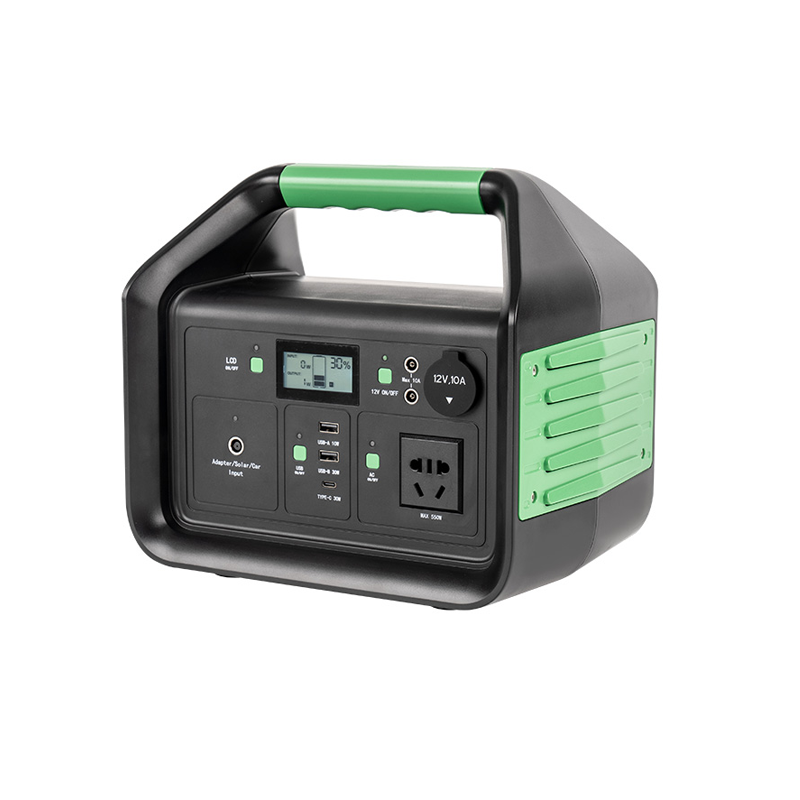
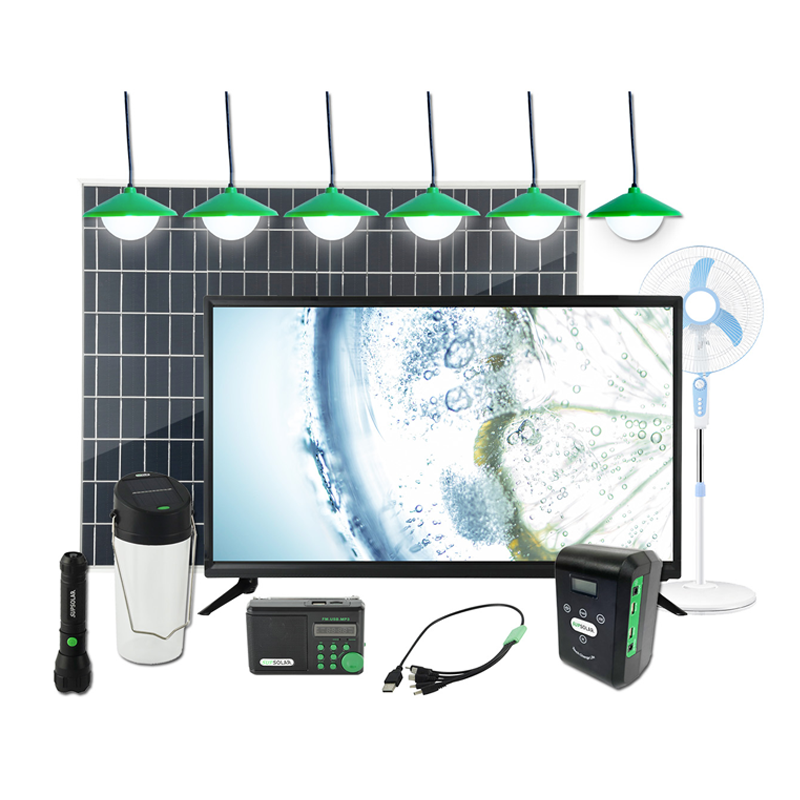
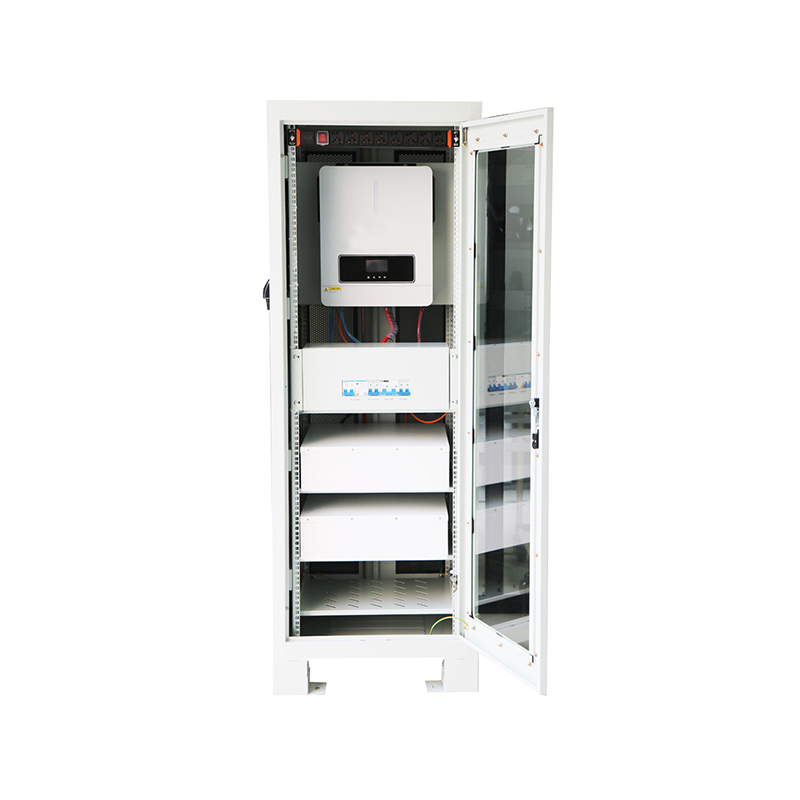
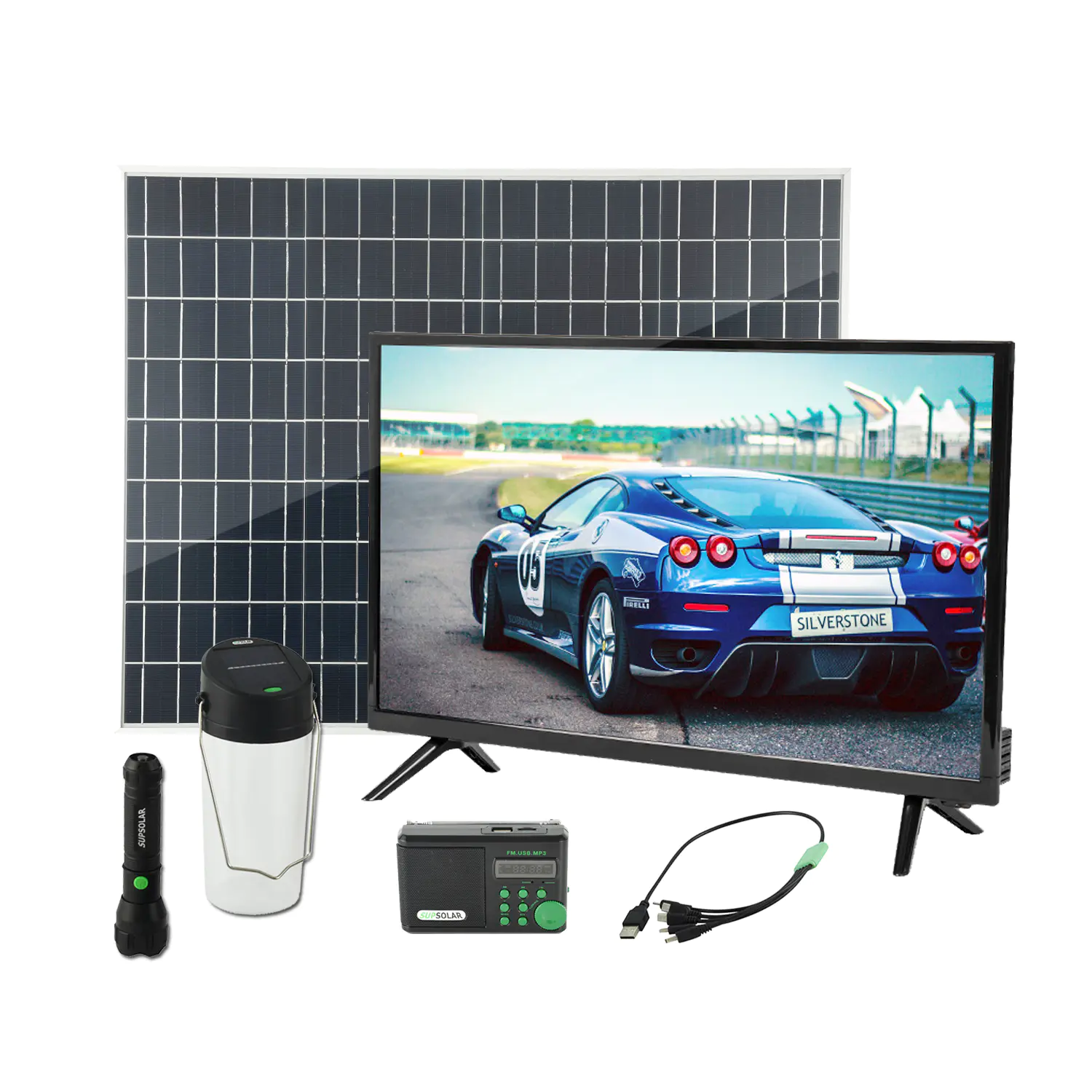

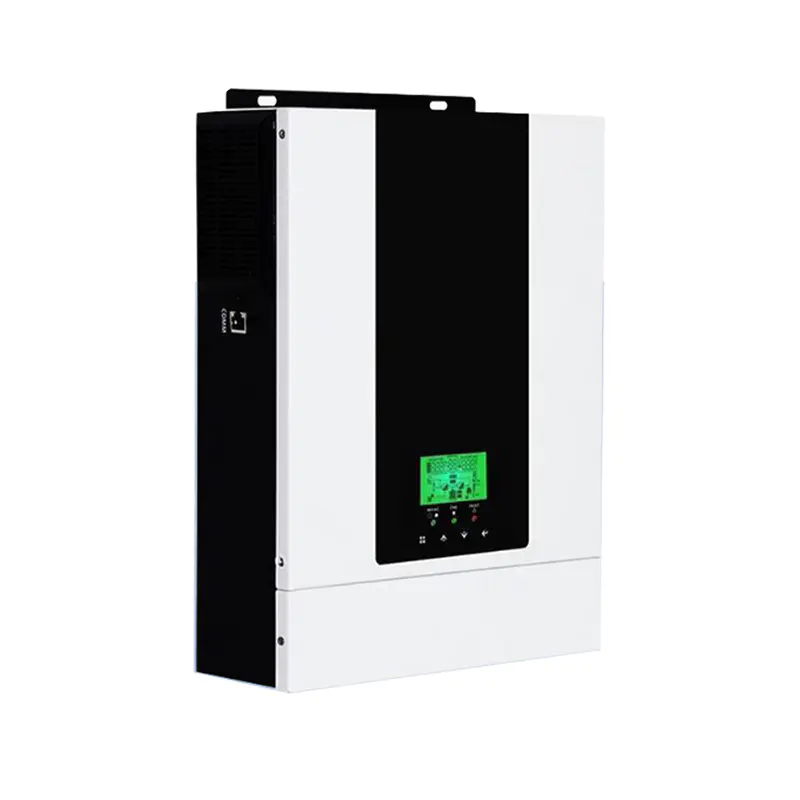
Inverter ALLTOP-STN30224
Solar inverter is a critical component in solar power systems, converting the direct current (DC) electricity gener...
An off grid solar system is a self-contained power setup that generates, stores, and delivers electricity without any connection to the utility grid. It works by using solar panels to capture sunlight, a charge controller to regulate that power into a battery bank, and an inverter to convert the stored battery power into usable household electricity. A typical residential off grid system needs roughly 8–12 kW of solar panels, 20–40 kWh of battery storage, and a 5,000–8,000 watt inverter to reliably power an average home through both sunny and cloudy days. Unlike grid-tied systems, there's no fallback to utility power at night or during extended low-sun periods, which makes correct sizing the single most important part of going off grid.
The defining feature of an off grid solar system is its complete independence from the utility power line. There's no meter, no net metering credit, and no ability to draw backup power from the grid during a shortfall. Everything the household uses must be generated by the panels and drawn from the battery bank on-site.
This is different from a grid-tied system, which stays connected to utility power and can pull electricity from the grid whenever solar production isn't enough, or a hybrid system, which keeps a grid connection as backup while still using batteries. Off grid setups are most common in rural properties, cabins, farms, and remote locations where running a utility line would cost more than installing solar — sometimes $10,000 to $50,000 per mile depending on terrain, according to typical utility extension estimates.
Every off grid system is built from the same five core components, though the size and brand of each will vary based on household energy needs.
| Component | Function | Typical Spec (Average Home) |
|---|---|---|
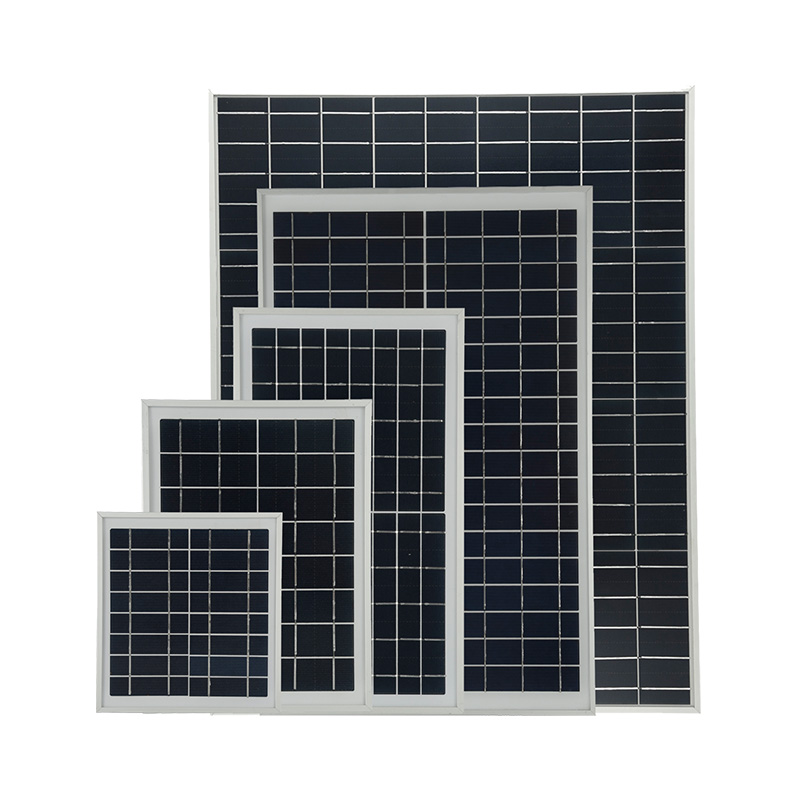
| Solar panels | Convert sunlight into DC electricity | 8,000–12,000 watts total |
| Charge controller | Regulates voltage into the battery bank | MPPT type, rated to panel output |
| Battery bank | Stores energy for night and cloudy days | 20–40 kWh, LiFePO4 preferred |
| Inverter | Converts stored DC power into usable AC power | 5,000–8,000 watts continuous |
| Backup generator | Covers extended low-sun periods | 5,000–10,000 watts, propane or diesel |
Correct sizing starts with knowing your average daily energy consumption, measured in kilowatt-hours (kWh). The average U.S. household uses about 29 kWh per day, though this varies widely based on climate, appliance efficiency, and household size.
A simple rule of thumb: divide your daily kWh usage by your region's average peak sun hours (typically 4–6 hours per day) to estimate the solar array size needed, then add a buffer of 20–30% to account for cloudy days, panel degradation, and system losses.
Most off grid designers recommend sizing the battery bank to cover 2–3 days of autonomy — meaning the home can run on stored power alone for that long with zero sun input, which is what pushes typical battery banks into the 20–40 kWh range for an average household.
Battery choice has a major effect on both upfront cost and long-term reliability. Three main options exist:
Although LiFePO4 batteries cost more per kWh upfront, their longer cycle life often makes them the lower total cost option over a 15–20 year system lifespan.
Total cost depends heavily on household size, climate, and battery choice, but most full residential systems fall into a fairly consistent range.
| System Size | Household Type | Estimated Total Cost |
|---|---|---|
| 3–5 kW | Small cabin, minimal appliances | $15,000–$25,000 |
| 8–12 kW | Average full-time family home | $30,000–$50,000 |
| 15–20 kW | Large home or property with heavy loads | $50,000–$80,000+ |
Off grid systems make the most sense when utility connection is unavailable or prohibitively expensive, or when total energy independence is the priority regardless of cost. Grid-tied systems, by contrast, are usually cheaper to install since they skip the large battery bank, and they let homeowners sell excess power back to the utility through net metering. Homeowners already connected to the grid rarely choose to go fully off grid purely to save money — the battery bank alone often adds $10,000 to $20,000 to a system's cost compared to a grid-tied equivalent.
An off grid solar system works by generating power through solar panels, regulating and storing it through a charge controller and battery bank, and converting it into usable household electricity through an inverter — all without any connection to the utility grid. Getting it right comes down to accurately sizing the array and battery bank to your actual daily energy use, choosing LiFePO4 batteries for long-term reliability, and keeping a backup generator on hand for extended low-sun periods.
Our aim is to provide the market and the customers with
high quality products and customized solutions.
 No.16, Zhengxing South Road, Lizhou Subdistrict, Yuyao, Zhejiang, China.
 [email protected] / [email protected]
 +86-15869530823 / +86-13003662523
 +86-0574-62820133


+86-15869530823

+86-15869530823