


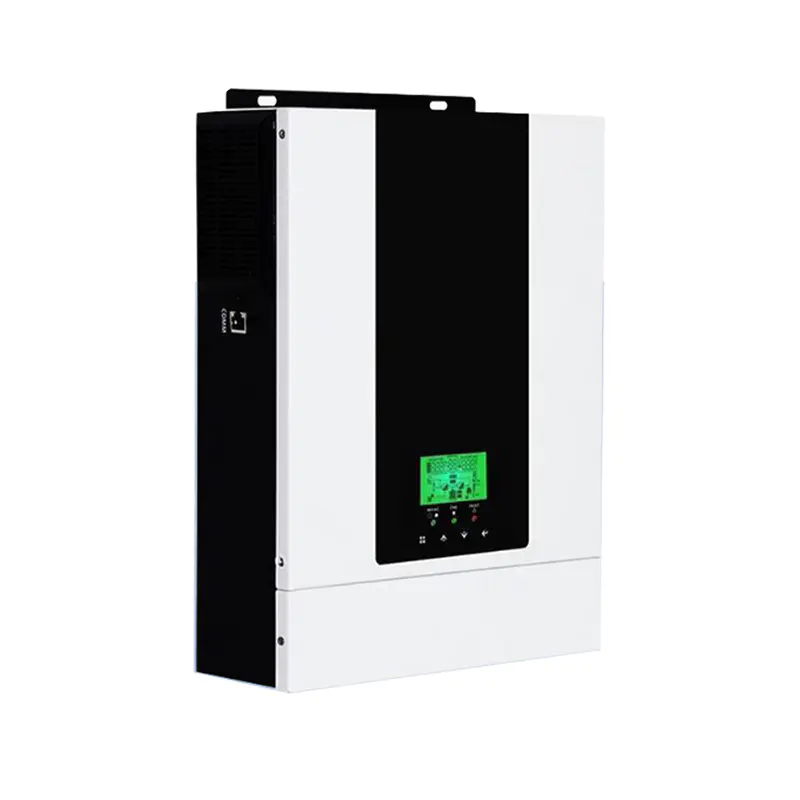
Inverter ALLTOP-STN30224
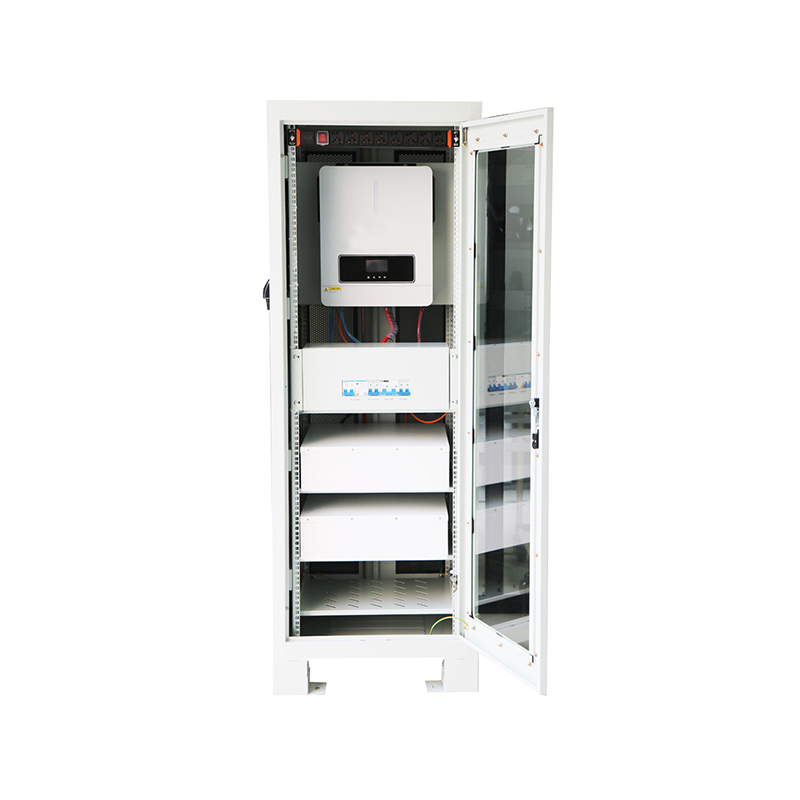
Solar inverter is a critical component in solar power systems, converting the direct current (DC) electricity gener...
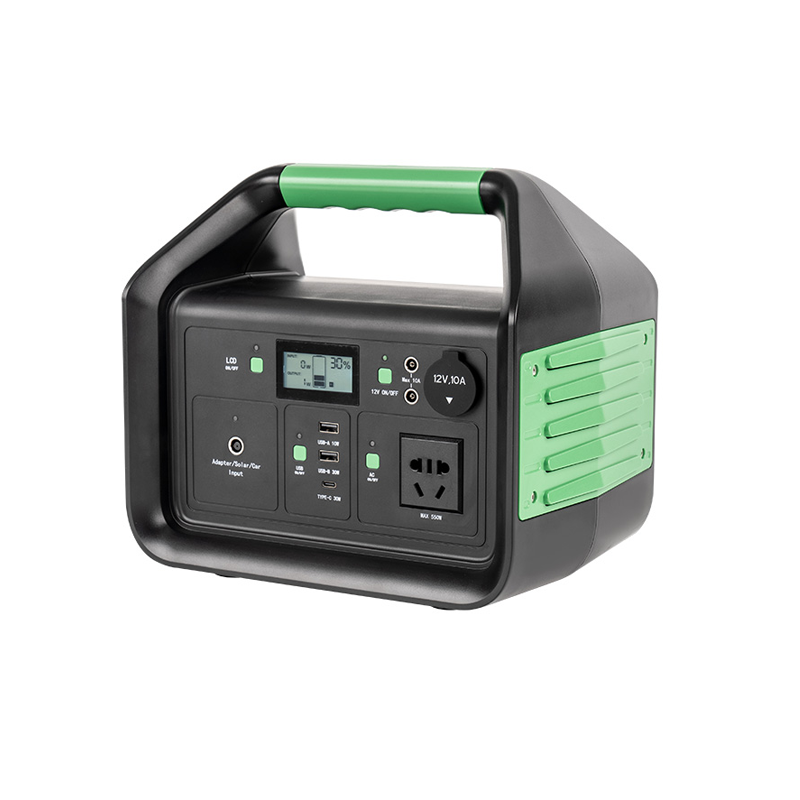
For a typical 2-3 day camping trip, a 300Wh–600Wh power station can run a phone, headlamp, portable fan, and small cooler for the duration. A 1,000Wh–1,500Wh station can additionally run a CPAP machine overnight, charge a laptop and drone batteries, and run a portable fridge continuously. For extended trips or powering multiple devices at once — including an electric grill or space heater — you'll want 2,000Wh or more. The table below shows what's realistic at each capacity level before we break down the details.
| Capacity | Best For | What It Can Power | Typical Trip Length |
|---|---|---|---|
| 150Wh–300Wh | Solo or weekend camper | Phone, headlamp, small fan, Bluetooth speaker | 1–2 days |
| 400Wh–600Wh | Couples / small families | Above + laptop, camp lights, small cooler | 2–3 days |
| 1,000Wh–1,500Wh | Families / longer trips | Above + CPAP overnight, portable fridge, drone charging | 3–5 days |
| 2,000Wh+ | Group camping / basecamp setups | Above + electric grill, space heater, power tools | 5+ days or continuous use |
Every power station is rated in watt-hours (Wh), which tells you how much total energy it stores. A device's power draw (in watts) multiplied by how many hours you run it tells you how much of that capacity you'll use. For example, a 60W mini fridge running for 10 hours uses 600Wh — meaning a 600Wh station would be completely drained by the fridge alone in one day, with nothing left for lights or charging.
A simple rule: Wh = Watts × Hours. Always calculate your total daily usage across all devices before choosing a capacity, rather than assuming a bigger number is automatically "enough."
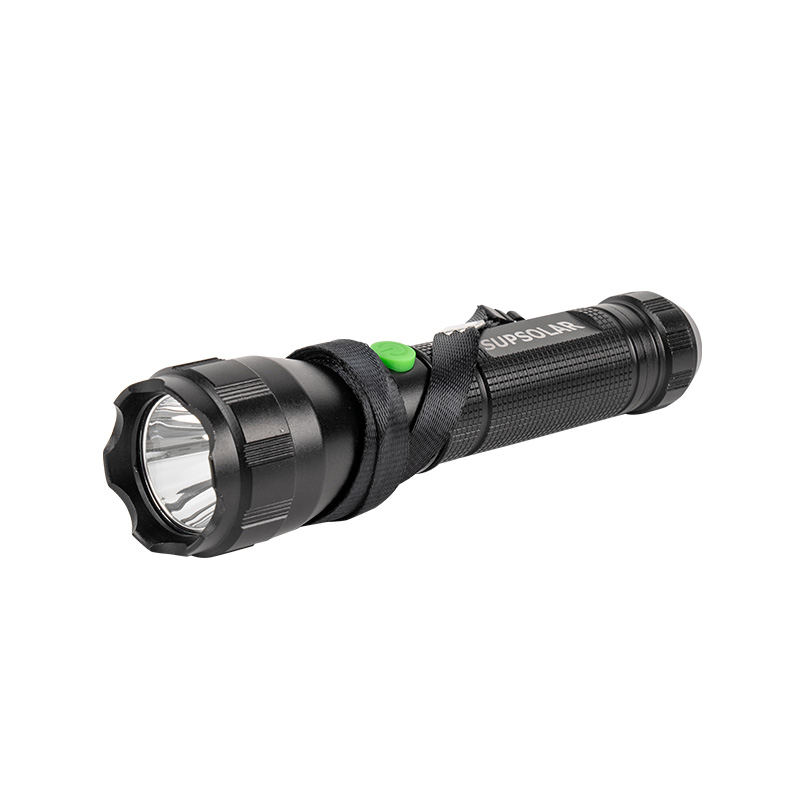
Compact power stations in this range are best for solo campers or short weekend trips focused on essentials rather than comfort appliances. A realistic day of use might include:
Combined, this comes to roughly 128Wh — comfortably within a 150-300Wh station, with room left for a laptop top-up. What this size cannot do is run a cooler, CPAP machine overnight, or anything with a heating element.
This is the most popular range for couples or small families spending 2-3 nights camping. In addition to everything a small station covers, a 500Wh station can typically add:
Adding this to the small-station baseline of ~128Wh brings total usage to roughly 540-590Wh — right at the edge of a 600Wh station's capacity for one full day, which is why most users in this range recharge via solar panel or car charger during the day to keep up with demand.
This range is where camping power stations start to genuinely replace home comforts. A 1,200Wh station can typically support a full day of moderate use, including:
This adds up to roughly 800-1,000Wh per day — meaning a 1,200-1,500Wh station gives you comfortable overnight coverage without needing to recharge daily, which is why this range is popular for family trips or anyone using a CPAP.
At this capacity, power stations move into "basecamp" territory — supporting group camping, extended off-grid stays, or short-term appliance use that draws significant wattage. This includes:
These high-draw appliances make it clear why 2,000Wh+ stations exist: a single use of a space heater or grill can consume more energy than an entire day's worth of lights, charging, and cooling combined at smaller capacities.
Capacity (Wh) tells you how long you can run devices, but the continuous output rating (W) tells you whether a device will run at all. A power station rated at 500Wh but only 300W continuous output cannot run a 1,200W electric kettle, even though it technically has "enough" stored energy — the inverter simply can't deliver that much power at once.
Always check both numbers: Wh determines runtime, W determines what you can plug in. Motor-driven or heating appliances (grills, fridges with compressors, heaters) often need higher surge wattage momentarily at startup, similar to home inverters, so check the manufacturer's surge rating if you're running anything with a compressor or motor.
For trips longer than 2-3 days, pairing your power station with a 100W-200W foldable solar panel can offset daily usage significantly. Under good sun (5-6 peak hours), a 100W panel can generate roughly 400-500Wh per day — enough to fully replenish a small station or meaningfully extend a larger one, letting you camp indefinitely rather than being limited by a single charge.
The right outdoor power station comes down to being honest about what you'll actually plug in and for how long — not just picking the biggest number on the shelf. Match your real daily watt-hour usage to a station's rated capacity and output, and you'll have reliable power for the length of your trip without carrying more weight and cost than you need.
Our aim is to provide the market and the customers with
high quality products and customized solutions.
 No.16, Zhengxing South Road, Lizhou Subdistrict, Yuyao, Zhejiang, China.
 [email protected] / [email protected]
 +86-15869530823 / +86-13003662523
 +86-0574-62820133


+86-15869530823

+86-15869530823