


Inverter ALLTOP-STN30224
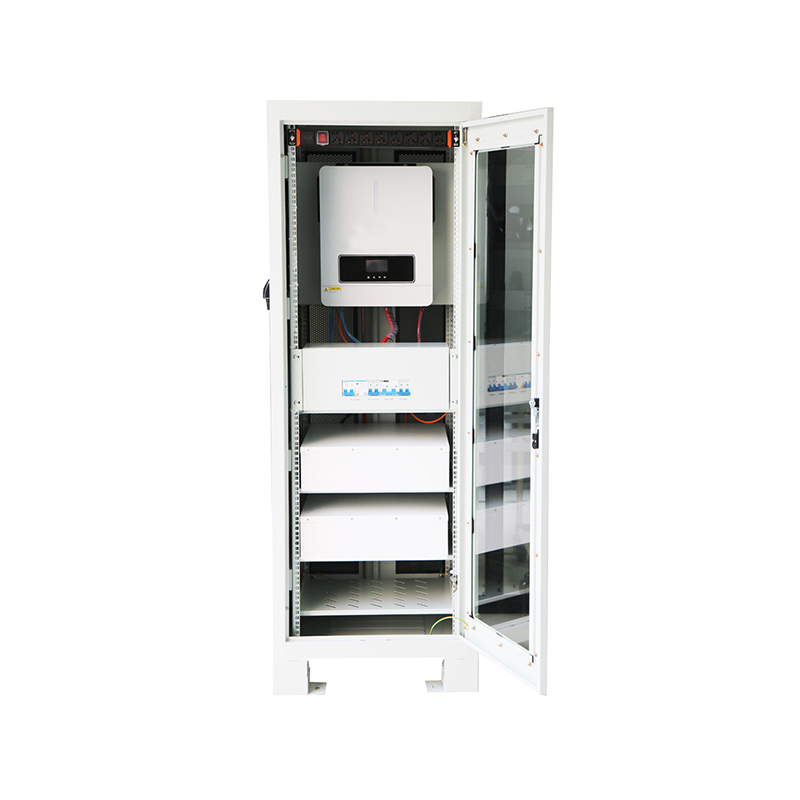
Solar inverter is a critical component in solar power systems, converting the direct current (DC) electricity gener...
A customer sends a short list — a 12 V compressor fridge, four LED bulbs, a laptop, a phone charger — and asks which portable power station will run them for two days off-grid. The only responsible way to answer is to calculate power consumption first. The calculation is straightforward: energy in watt-hours equals power in watts multiplied by time in hours. Every product decision that follows, from the station's battery capacity to the panel size of a solar home kit, relies on that one equation.
Power consumption is an energy question, even though it is usually reported in watts. Watts describe the rate at which a device draws electricity; watt-hours describe the total electricity consumed over time. Two relationships do all the work:
Because batteries, electricity bills, and solar systems are specified in kilowatt-hours, divide watt-hours by 1000 whenever you compare a calculation with a product specification. An appliance that uses 940 Wh per day therefore consumes 0.94 kWh per day.
Before multiplying anything, you need each device's actual power draw. Three practical methods cover almost every situation:
One caution about labels: nameplate wattage is the maximum steady draw, not the actual average. A refrigerator marked 150 W may average only 30–50 W over a full day because the compressor cycles on and off. Motors, pumps, and compressors can also draw two to three times their running wattage for the first seconds of starting. Write down both numbers: running watts and surge watts.
The daily consumption of any device is watts multiplied by hours of actual operation. Work through the load list device by device:
| Device | Rated power | Hours per day | Daily energy |
|---|---|---|---|
| LED lamp (12 W) | 12 W | 5 h | 60 Wh |
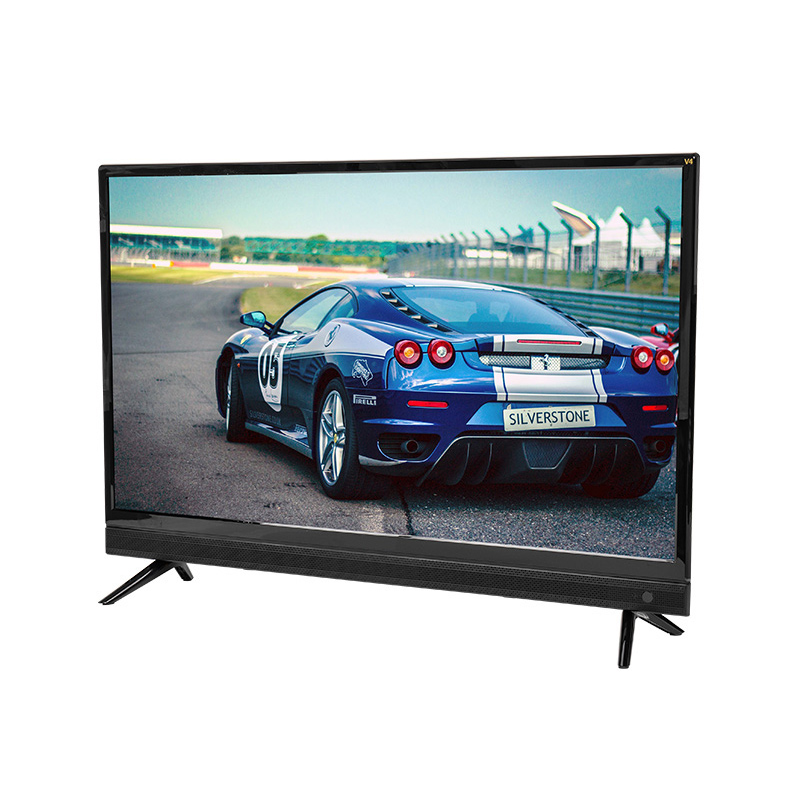
| DC television (45 W) | 45 W | 4 h | 180 Wh |
| Laptop | 60 W | 3 h | 180 Wh |
| 12 V compressor fridge | 50 W (average) | 10 h | 500 Wh |
| Phone charger | 10 W | 2 h | 20 Wh |
| Total | 940 Wh/day | ||
This household uses just under 1 kWh per day. Apply the same method to a full home with an electric oven, water heater, or air conditioner, and the total multiplies several times, because heating and cooling loads dominate residential electricity bills. For the next step — turning a daily figure into a storage capacity target — see how to size the energy storage for an off-grid solar system in our separate guide.
Here is the conclusion most buyers miss: never order a battery that exactly equals your daily watt-hour figure. Real systems need headroom for depth of discharge, conversion losses, and at least one day of autonomy.
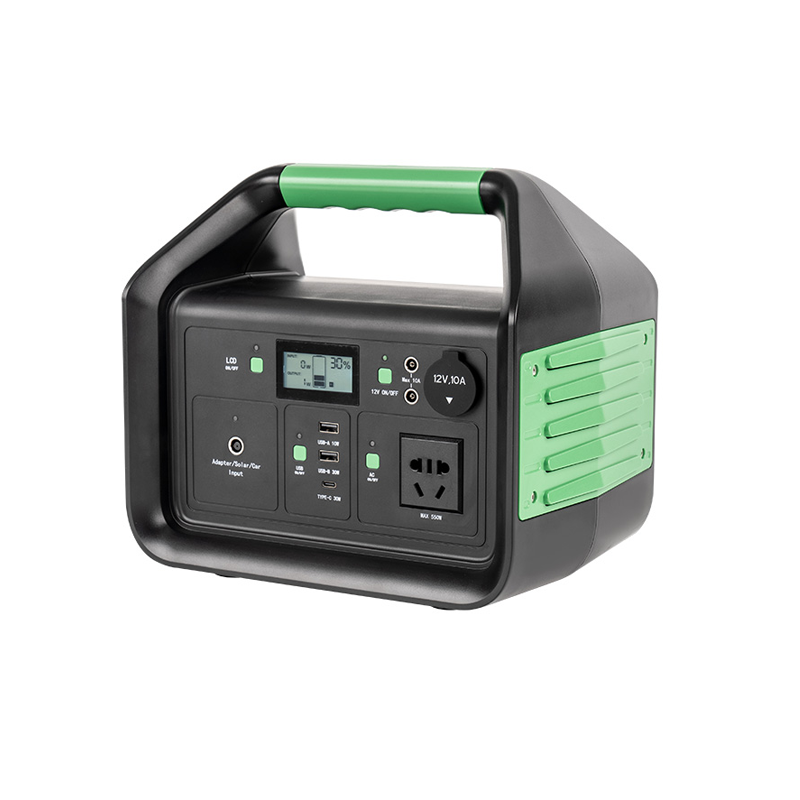
For a portable application, a 1000 W portable power station with a lithium pack and built-in inverter is a practical match for a daily draw around 1 kWh: the battery holds more than the calculated figure, and the inverter covers ordinary household loads as long as the refrigerator surge stays within the unit's peak output.
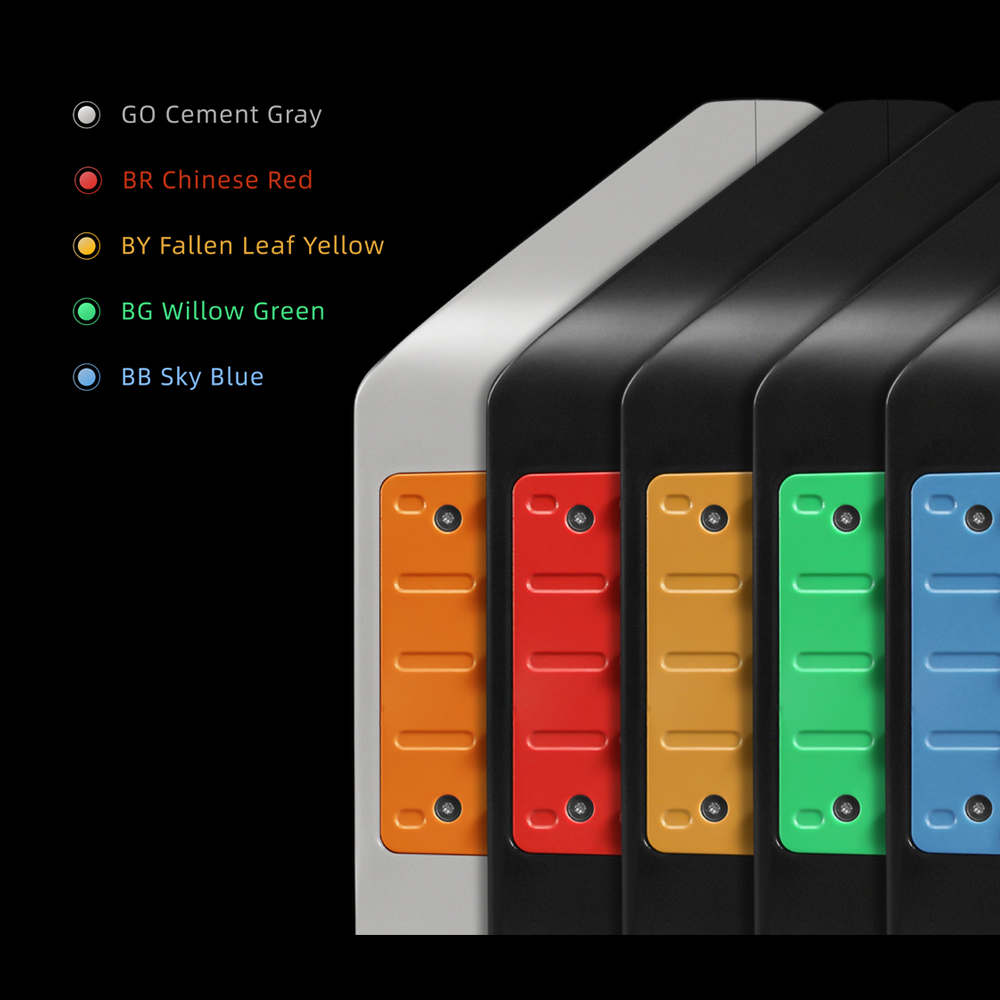 OEM/ODM 1000W Portable power station Suppliers, Company - Ningbo Yiteng ElectriAs Suppliers of 1000W Portable power station Company, Ningbo Yiteng Electric Co., Ltd. offer OEM/ODM 1000W Portable power station1. CE ce...View Product →
Most undersized or oversized systems we see during OEM evaluations come down to four repeating errors.
If the calculated daily need grows later, adding capacity is cheaper than replacing the main unit. A 500 W expansion battery extends a matched portable station by several hours of lighting, phone charging, and small DC loads without requiring a system redesign.
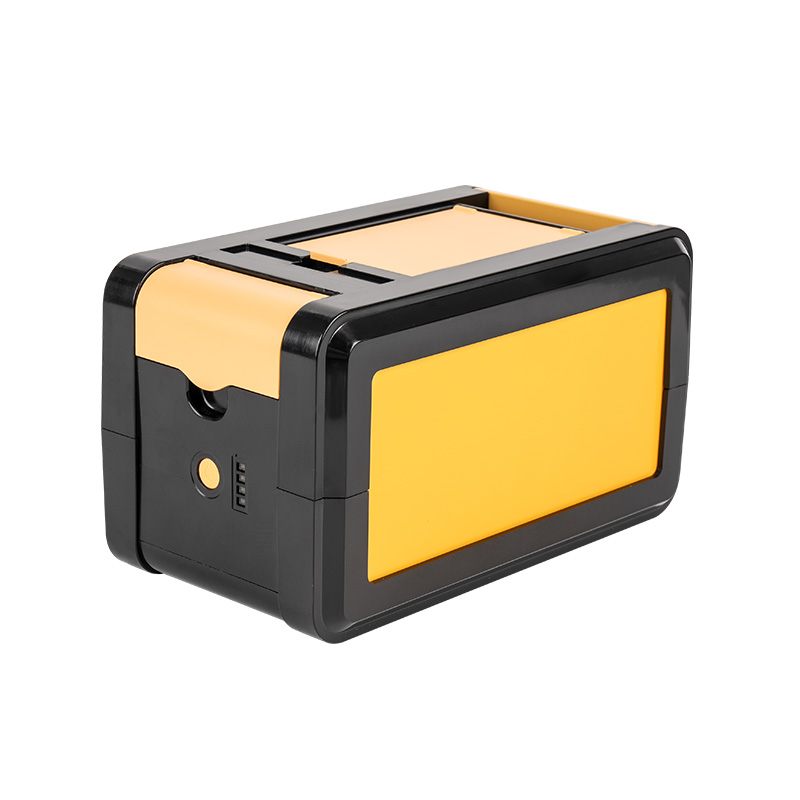 OEM/ODM 500W Expansion battery Suppliers, Company - Ningbo Yiteng Electric Co.,As Suppliers of 500W Expansion battery Company, Ningbo Yiteng Electric Co., Ltd. offer OEM/ODM 500W Expansion battery1. CE certificated, ...View Product →
Once the daily watt-hour total is written down, the product type almost chooses itself.
When the total stays below roughly 1.5 kWh and usage is occasional — camping, van life, emergency backup, mobile work — a portable power station with a foldable solar panel is the right category. The station stores the energy and the panel replenishes it during the day.
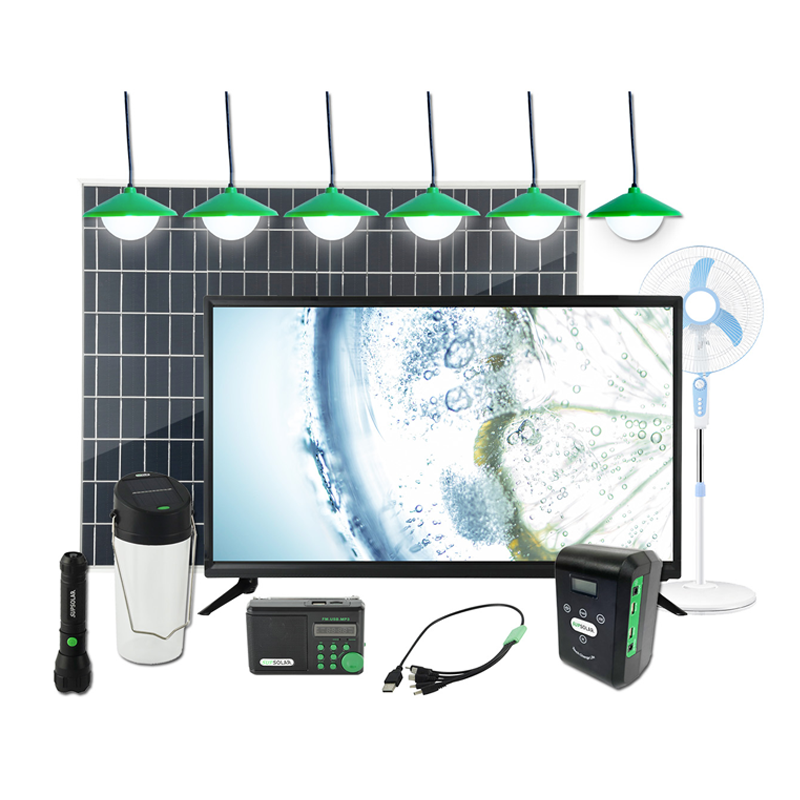
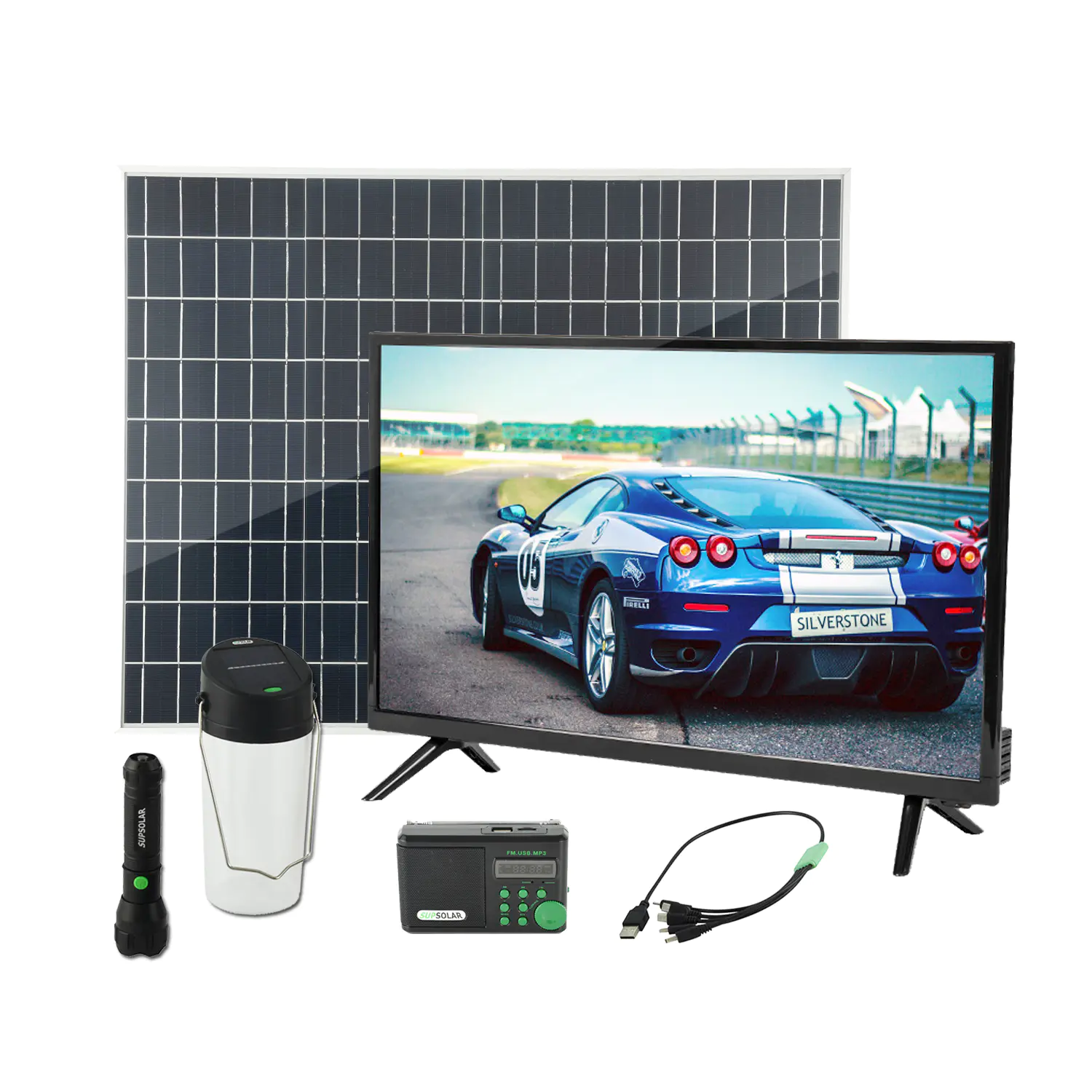
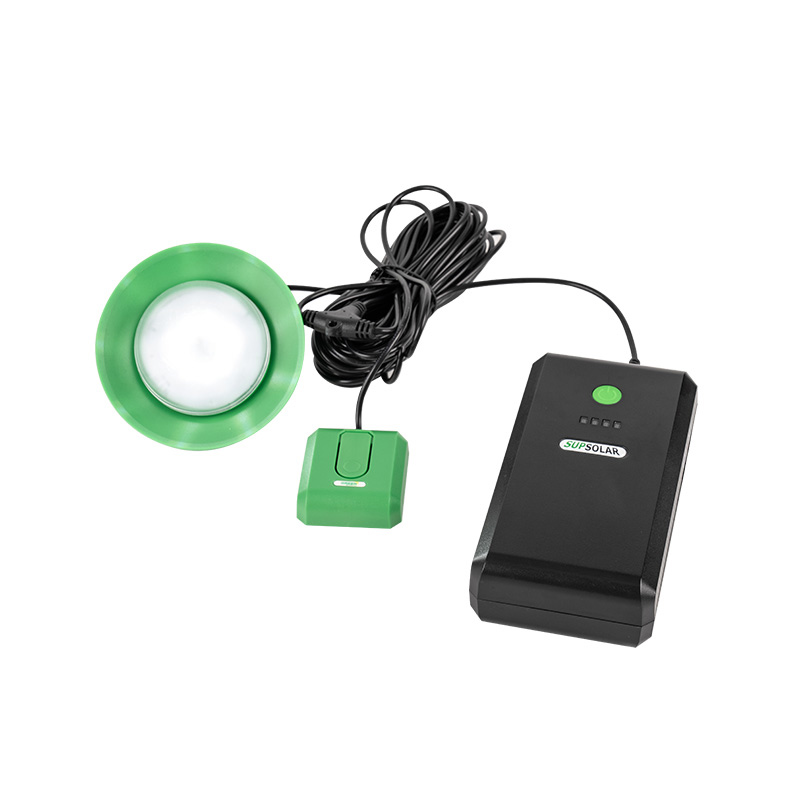
When the same total must run every day in a fixed location, powering lighting, a fridge, and DC appliances, a solar home power kit is the better match. Size the array to produce the daily watt-hours within your local peak sun hours, and let the battery carry the night.
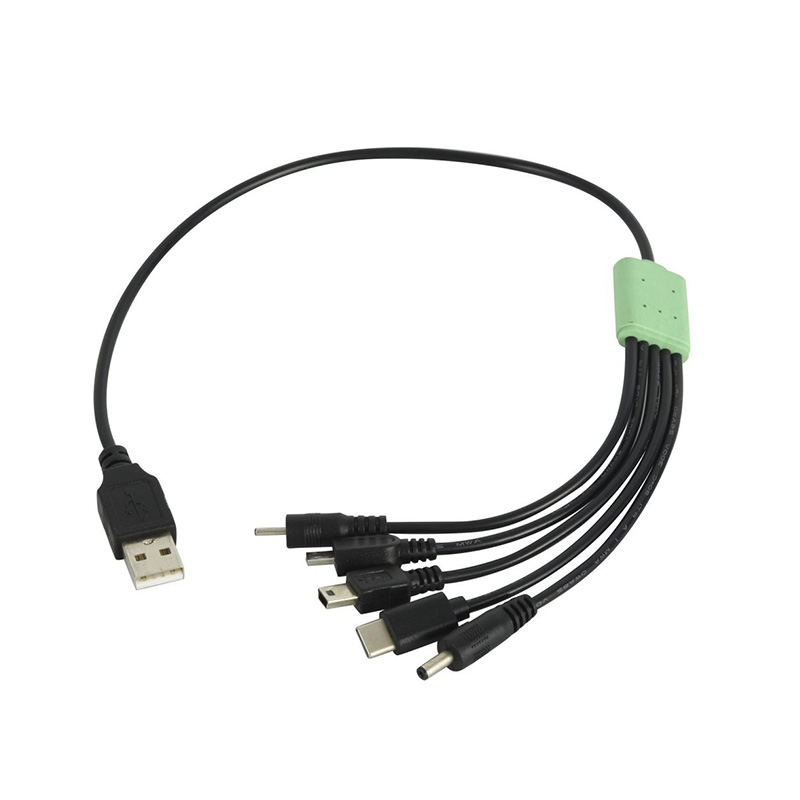 OEM/ODM Solar home power kit Suppliers, Company - Ningbo Yiteng Electric Co., LAs Suppliers of Solar home power kit Company, Ningbo Yiteng Electric Co., Ltd. offer OEM/ODM Solar home power kit1. High reliable, easy t...View Product →
Whichever route you take, verify the rated numbers before committing. A printed capacity is only a specification; the tested capacity is what actually matters. We document the verification procedures in our in-house laboratory, including the power station aging test that checks whether rated capacity holds up over repeated charge and discharge cycles.
Power consumption calculation never requires advanced mathematics, but it does require honest numbers. Measure the wattage, multiply by real operating hours, add the losses, and only then choose the battery, the inverter, and the solar panel. Apply that sequence consistently, and you will avoid the two most expensive mistakes in this industry: buying a power source that fails on the second day, or paying for capacity you will never use.
Our aim is to provide the market and the customers with
high quality products and customized solutions.
 No.16, Zhengxing South Road, Lizhou Subdistrict, Yuyao, Zhejiang, China.
 [email protected] / [email protected]
 +86-15869530823 / +86-13003662523
 +86-0574-62820133


+86-15869530823

+86-15869530823