


Inverter ALLTOP-STN30224
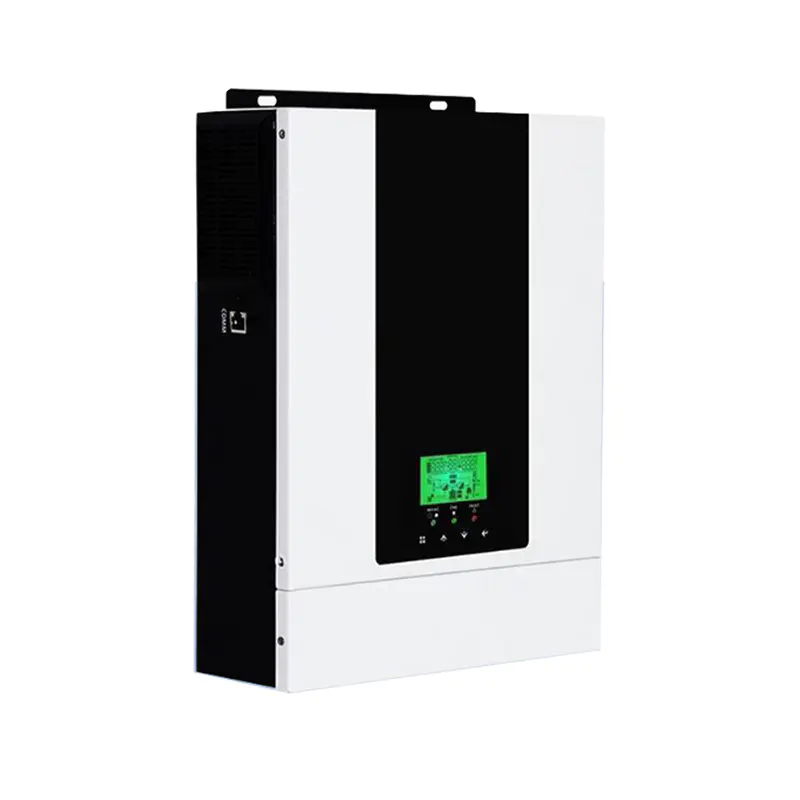
Solar inverter is a critical component in solar power systems, converting the direct current (DC) electricity gener...
When a storm knocks out power, or when you need electricity at a campsite, a portable power station is often the simplest answer. But the question many buyers ask is not just whether it works, but how it works. The direct answer is this: a portable power station stores DC electricity in an internal battery, then uses an inverter to convert that stored energy into AC power that your devices can use. The real question is how much of that stored energy you can actually access, and that depends on capacity, output limits, and charging options.
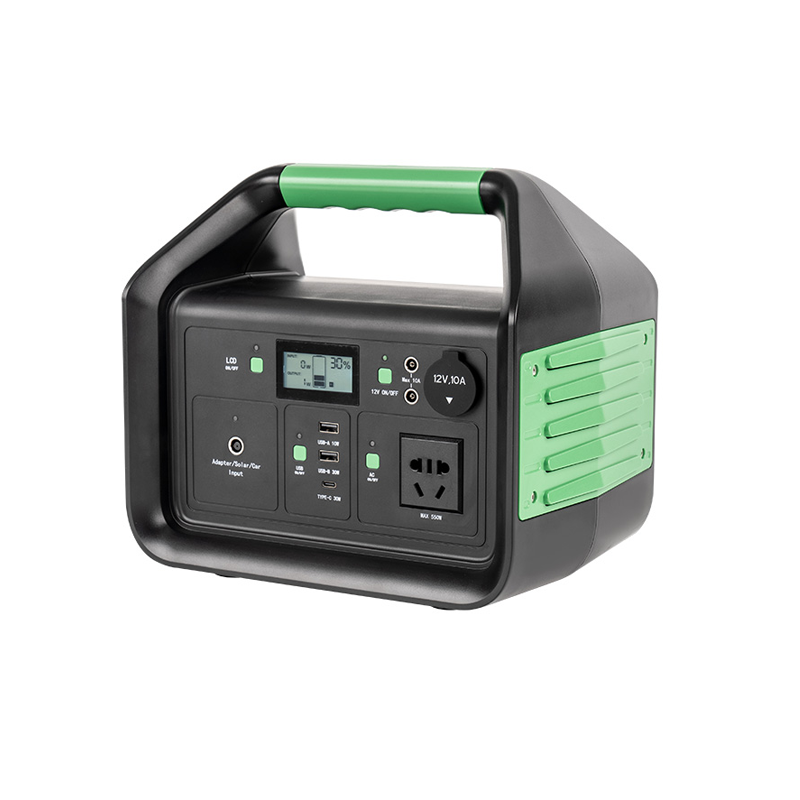
Every portable power station has three essential building blocks. Understanding them helps you evaluate specifications like watt-hours, output watts, and recharge times.
The battery is the heart. Most units use lithium-ion or LiFePO4 cells, with a nominal voltage around 12V or 24V internally. The capacity, measured in watt-hours (Wh), tells you how much total energy the station can store before it needs recharging. A 500Wh station can run a 50W device for roughly 10 hours at full efficiency, though real-world conditions reduce that.
The inverter changes DC battery power into AC household power. It also determines the maximum continuous output wattage. A 300W station can power a laptop or small fan, but not a microwave that needs 800W. If you plan to run motor-driven loads like a refrigerator or power tools, check both the continuous and surge ratings, because startup current can be several times higher.
The charge controller regulates incoming power from solar panels, the wall adapter, or a car socket. Outlets typically include AC sockets, USB-A and USB-C ports, and DC barrel or 12V cigarette-style ports. The quality of these components matters for efficiency and safe operation.
Charging options determine how quickly you can restore the battery. The three common paths are AC wall charging, solar charging, and 12V vehicle charging.
Plugging into a standard wall outlet is the fastest way for most units. A 300Wh station might reach full charge in 2-3 hours with a 100-150W AC adapter. Larger units with higher capacity accept more charge power and can recharge in 4-8 hours. An adapter that delivers more watts than the station's maximum charge input will simply be limited by the internal charge controller.
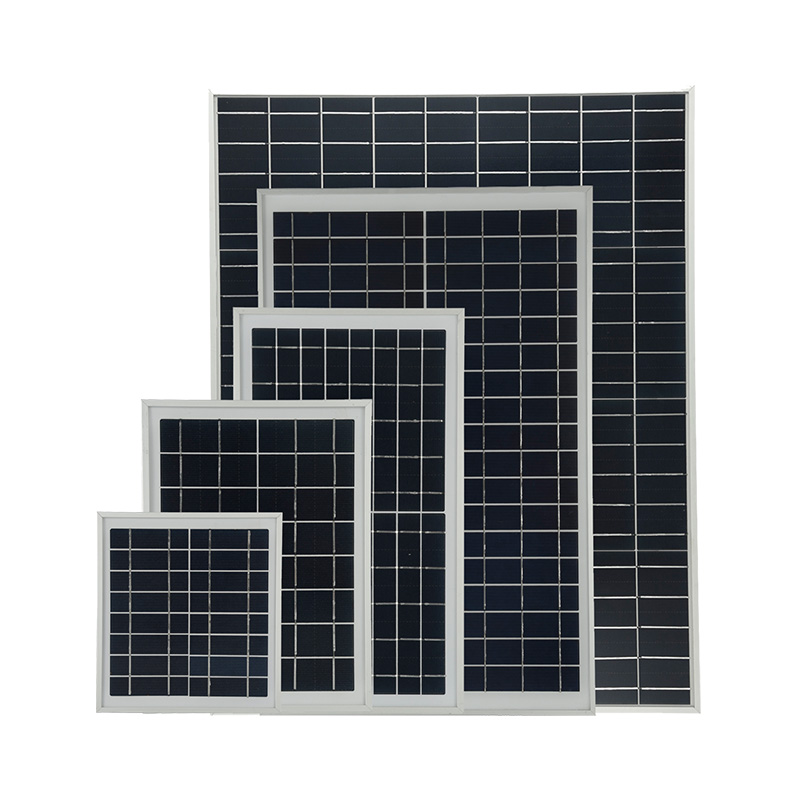
Solar charging is slower and depends on panel output, sunlight angle, and cloud cover. A 200W foldable solar panel under clear midday sun can put around 150-160W into the battery, but on a cloudy day that may drop to 30-50W. If you plan to rely on solar as the primary charging method, choose a station with an MPPT charge controller, as it extracts more energy from panels under variable conditions.
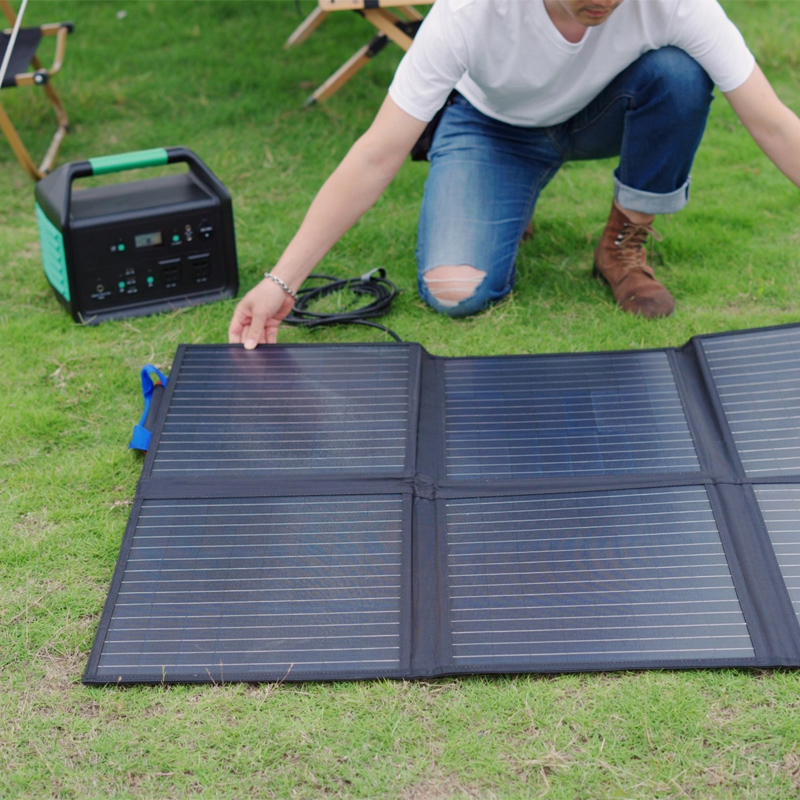 200W Foldable Solar Panel for Portable Power StationsThis lightweight foldable panel offers up to 22% efficiency and is waterproof, making it a practical solar charging option for outdoor setups. Its compatibility with power stations and two-year guarantee add value when relying on solar as a primary source.View Product →
Car charging cables that plug into a 12V socket provide only a fraction of the power, usually around 60-100W. It is a useful backup on the road, but not a primary charging method if you need the station operating again the same day.
The conversion from battery DC to AC output is not lossless. High-quality inverters convert about 85-90% of input energy to usable AC, with the rest dissipated as heat. This is why a 500Wh battery may not actually deliver 500Wh to a connected appliance. It also means capacity claims and inverter efficiency are both important when comparing products.
Inverter type matters. Pure sine wave inverters produce a smooth sinusoidal output that is compatible with sensitive electronics like laptops, CPAP machines, medical equipment, and home appliances. Modified sine wave inverters are cheaper but can cause buzzing, overheating, or malfunctions in certain devices. For professional use, outdoor events, or medical backup, a pure sine wave inverter is a safer choice.
Capacity is not the same as output power. Watt-hours tell you how long a device can run; watts tell you what size of device can run at all. A 1000Wh station with a 1000W inverter might run a 100W TV for 8-10 hours, but only one 1000W appliance at a time. If you need to run two high-power devices simultaneously, the combined wattage must stay below the inverter's continuous rating.
Surge loads are a common source of disappointment. Refrigerators, air conditioners, pumps, and power tools draw 2-5 times their rated wattage during startup. A station rated at 500W continuous may not start a 300W fridge if the surge exceeds the inverter's short-term limit. Check the surge rating in the specification sheet before you commit.
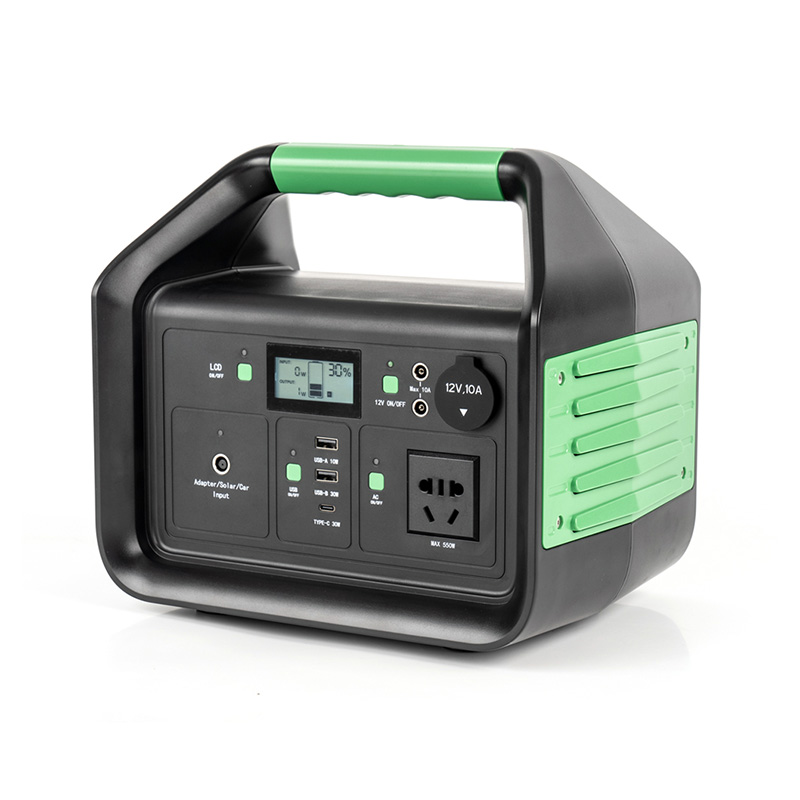 300W Portable Power Station with Fast ChargingWith CE certification and a compact design, this station supports 120W fast charging and fully charges in 3.5 hours. It suits small appliances and is a reliable backup for camping or emergencies where surge demands are modest.View Product →
To appreciate how the specifications translate to real use, consider typical devices and their power draw:
| Capacity (Wh) | Device (continuous W) | Approximate runtime |
|---|---|---|
| 300Wh | Smartphone (10W) | 25-28 hours |
| 500Wh | Laptop (60W) | 7-8 hours |
| 1000Wh | Mini fridge (80W) | 10-12 hours |
| 2000Wh | CPAP machine (40W) | 35-45 hours |
These are ideal estimates. Inverter losses, temperature, battery chemistry, and the age of the cells can shrink them by 15-25%. A practical approach is to plan for the worst case: if you need a device to run through the night, choose a station with at least 1.5 times the calculated energy requirement.
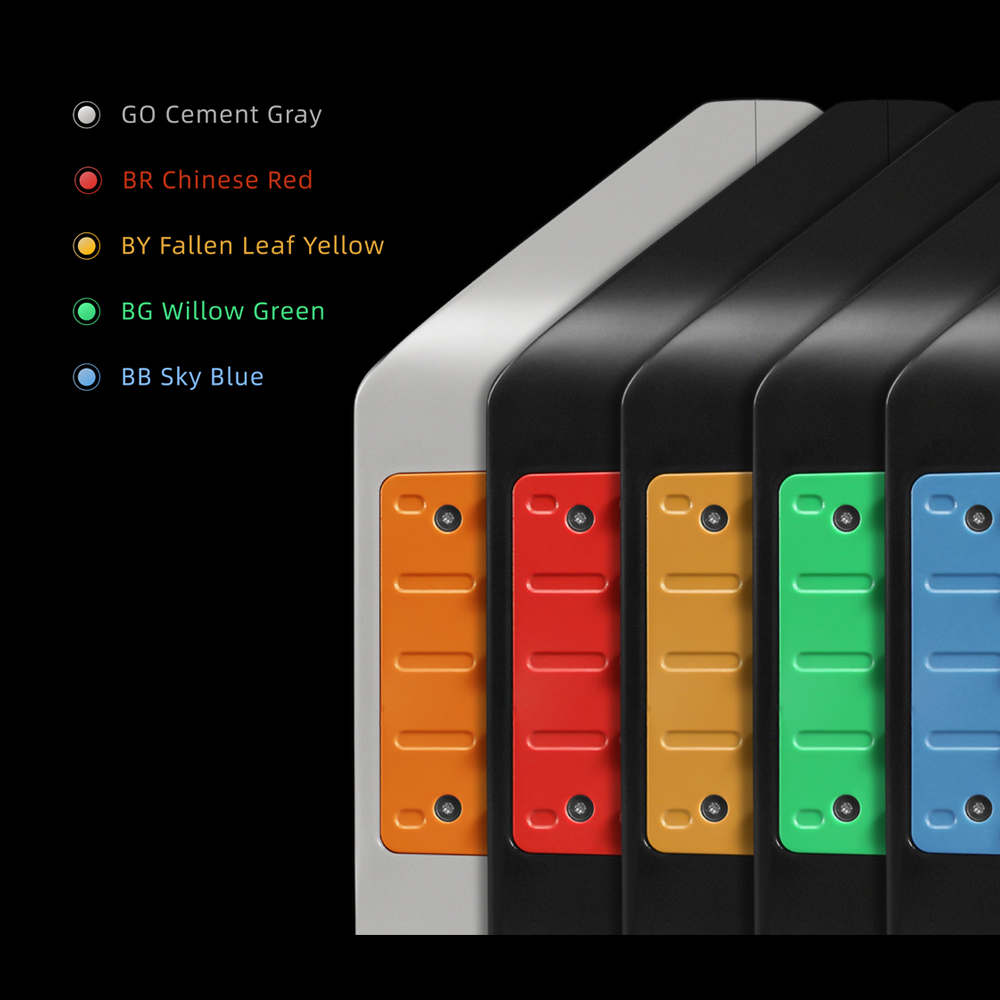 1000W Portable Power Station for Versatile AppliancesThis CE-certified unit features a 240W fast-charging port and an integrated handle for easy transport. It can handle higher loads like fans and car refrigerators, making it a solid choice for extended outdoor use or as a backup.View Product →
Safety features separate a reliable product from a risky one. Most reputable portable power stations include a battery management system (BMS) that protects against overcharge, over-discharge, overcurrent, short circuit, and temperature extremes. Look for units with UL, CE, FCC, or RoHS certifications, depending on your market. When sourcing for OEM programs, ask the supplier about specific tests such as the in-house lab testing that covers flame retardancy, salt spray, waterproofing, and temperature cycling.
Operating conditions also affect safety. Lithium-based batteries perform best between 0°C and 40°C. Charging below freezing can cause permanent damage, and high ambient temperatures accelerate cell aging. Store the station at 50-80% charge in a cool place if you are not using it for weeks.
Battery life is measured in cycles. A typical lithium-ion cell in a portable power station can deliver 500-1000 cycles before capacity drops to 80% of its original value. LiFePO4 cells can sometimes exceed 2000 cycles. Your usage patterns matter more than the chemistry label.
Understanding how a portable power station works is not just a theoretical exercise. It affects how you choose capacity, how you size inverters, and how you plan charging for emergencies or outdoor work. The core mechanism is simple: store energy in a battery, convert it with an inverter, and deliver it through safe outputs. The details around capacity, surge, inverter type, and testing will determine whether that simple mechanism meets your real-world demands. For a deeper look at using portable power supplies in off-grid settings, see how portable power supplies address the needs of off-grid living.
Our aim is to provide the market and the customers with
high quality products and customized solutions.
 No.16, Zhengxing South Road, Lizhou Subdistrict, Yuyao, Zhejiang, China.
 [email protected] / [email protected]
 +86-15869530823 / +86-13003662523
 +86-0574-62820133


+86-15869530823

+86-15869530823