


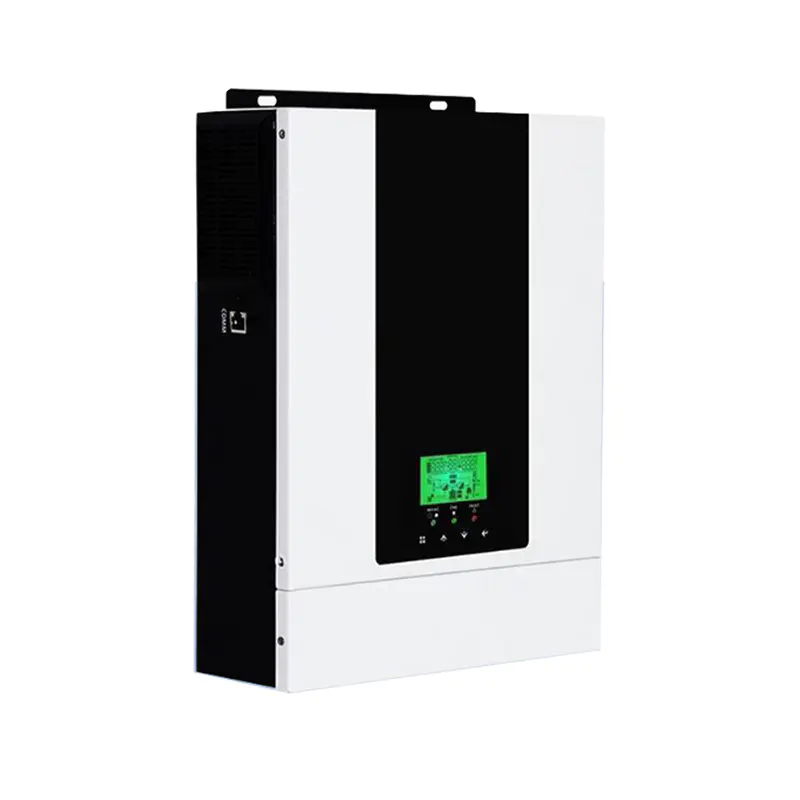
Inverter ALLTOP-STN30224
Solar inverter is a critical component in solar power systems, converting the direct current (DC) electricity gener...
Electric power stations can look like enormous industrial complexes, but the principle behind them is surprisingly straightforward: turn a rotating machine inside a magnetic field to create electric current. That rotating machine can be driven by steam, water, wind, or gas. Understanding the sequence from fuel to final voltage helps anyone who buys power equipment make better decisions about capacity, storage, and backup requirements.
At the heart of a conventional power station is a generator. In most grids, the generator is a large synchronous machine that spins at a fixed speed so the alternating current output stays at 50 or 60 hertz. The spin comes from a turbine, and the turbine is usually driven by high-pressure steam.
The steam is created by releasing heat. Coal, natural gas, nuclear fission, or concentrated solar can be the heat source. In a coal plant, the fuel is burned in a boiler to raise steam at high pressure. In a gas-fired combined-cycle plant, hot combustion gases drive the first turbine, and the waste heat produces steam that drives a second turbine. In a nuclear plant, heat from fission generates steam, but the process during normal operation does not emit carbon dioxide.
| Heat source | Working medium | Typical efficiency range | Startup and load change |
|---|---|---|---|
| Coal | Steam | 33-42% | Slow; large thermal inertia |
| Natural gas combined cycle | Combustion gases plus steam | 55-62% | Fast; good for peaking |
| Nuclear | Steam | 33-37% | Very slow; used for baseload |
The efficiency values are typical for modern utility-scale units and depend on ambient temperature, condenser pressure, and local fuel quality. For a buyer, the practical lesson is that every technology has a different response time, which influences how grids mix them.
You can trace the energy path by looking at four main areas: the boiler or heat source, the turbine, the generator, and the electrical switchyard. Each area has specific tolerances and failure modes.
The boiler converts fuel energy into steam or hot gas. In coal and biomass plants, the fuel is pulverized and blown into a furnace. The steam pressure and temperature are controlled within tight limits because turbine blade materials are rated for specific inlet conditions. In a gas plant, the combustion chamber is smaller and the cycle is different, but the purpose is the same: create a high-energy fluid.
The steam expands through rows of fixed and moving blades, transferring energy to the rotor. Blade design controls how much energy is extracted from each stage. For efficiency, the steam is condensed in a cooling tower or a water source, which creates a pressure drop that pulls the steam through the turbine.
The generator rotor carries a direct current electromagnetic field. When the rotor spins, the field induces an alternating voltage in the stator windings. The output voltage is typically in the range of 11 to 25 kilovolts before transformation. The stator winding is cooled with hydrogen or water because copper losses produce heat at such high currents.
After the generator, the voltage is stepped up to transmission levels such as 110 kV or 400 kV to reduce current and minimize losses over long distances. Switchgear and protection relays isolate faults and keep the grid stable. In a B2B context, this section is often where you see the difference between utility-grade equipment and consumer-grade equipment.
Not every power station uses steam. Hydroelectric plants transfer the potential energy of water to a turbine, and wind plants use the aerodynamic force of moving air. Both drive a generator directly, so the electromagnetic principle remains the same.
Pumped storage plants can act as giant batteries. When power is cheap, they pump water uphill. When demand is high, they release it through turbines. The generator can also work in reverse as a motor for pumping, which adds synchronizing complexity.
Wind turbines have variable-speed rotors. Because the rotor speed changes with wind, the output must be converted to the fixed grid frequency with power electronics. Solar photovoltaic cells produce direct current, so an inverter changes it to alternating current. These systems do not have a steam cycle, but they still perform the same final step: feeding synchronized alternating current into the grid.
Understanding these differences is important when you are evaluating a solar home solution. The battery storage, inverter, and panel matching determine whether the system can start a motor or support a refrigerator. A well-matched set keeps the voltage stable under load.
After the generator transformer, electricity travels through transmission lines. At each substation, transformers reduce voltage. The last distribution transformers bring the voltage down to 120 V or 230 V, depending on the country. Grid operators need to maintain frequency and voltage within narrow bands because out-of-tolerance conditions can damage equipment and cause cascading blackouts.
For industrial and commercial buyers, the power station model explains why backup systems are not optional. The grid supply may be reliable for 99 percent of the time, but the remaining 1 percent can mean lost production or a damaged control system. A backup source with the same quality parameters - stable voltage, low harmonic distortion, and sufficient short-circuit current - is required.
Start with the load and the duty cycle. Measure the running wattage and the starting wattage of the equipment you intend to power. A pump or compressor can draw two to four times its rated current at startup. Then determine how much backup you need in hours, not just watts.
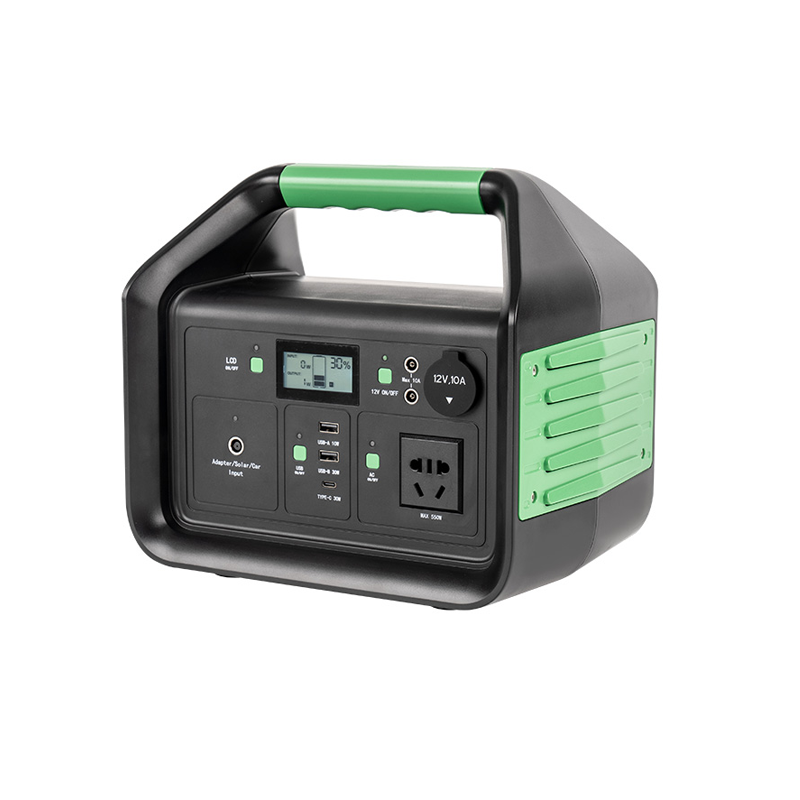
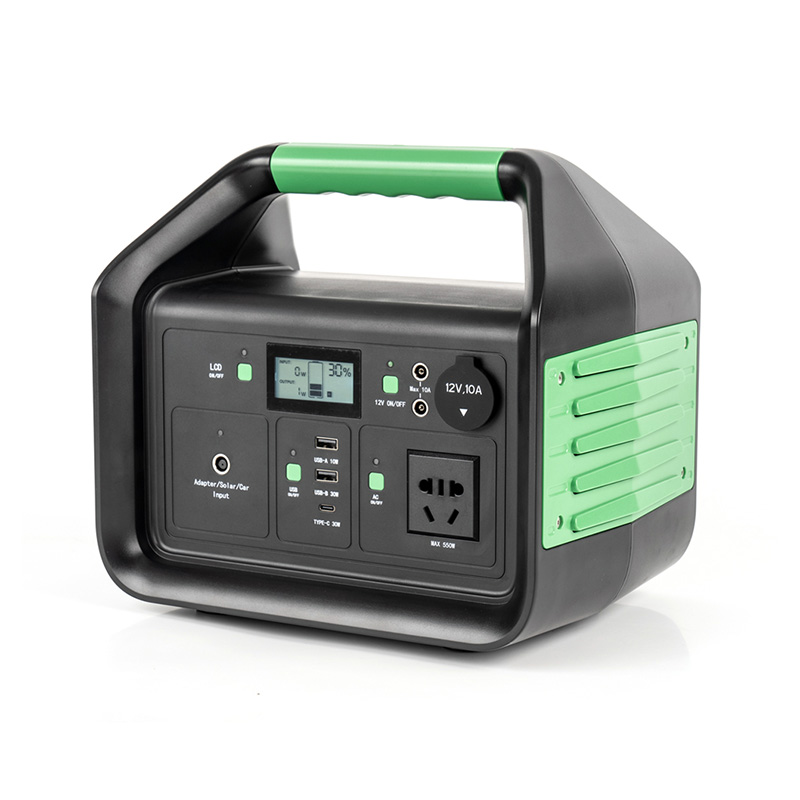 300W Portable Power Station for Small LoadsThis compact power station offers 300W output for laptops, LED lamps, and communication devices. It charges from solar or AC in 3.5 hours and includes USB and DC ports, with CE certification.View Product →
A 300 W portable power station is useful for small loads such as laptops, LED lamps, and communication devices. It is not designed to run a heat pump or a large cooking appliance. The practical value is in its simplicity: charge it from solar or AC, store the energy, and use it away from the grid.
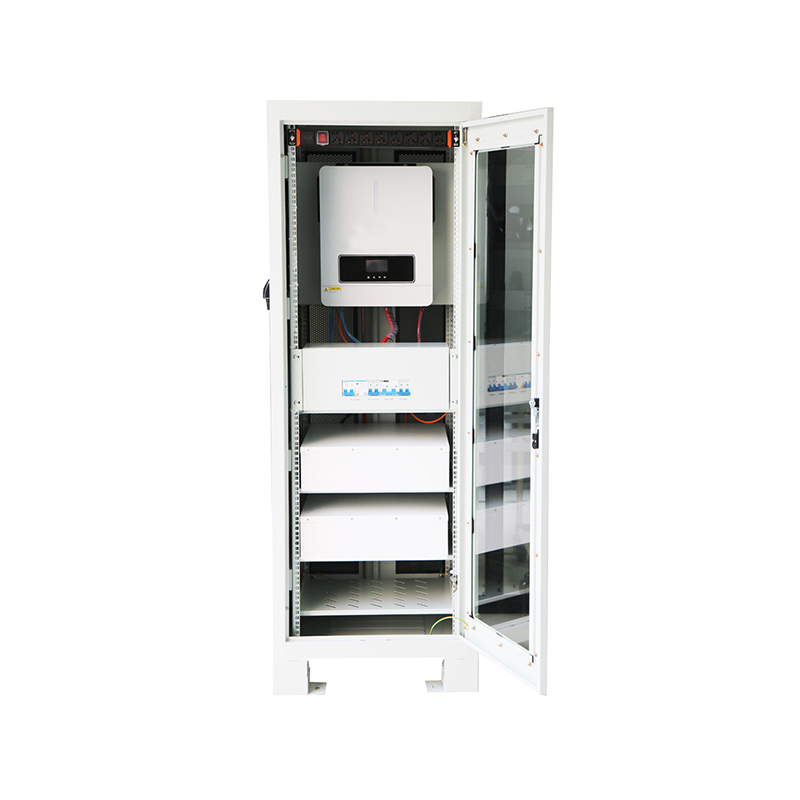
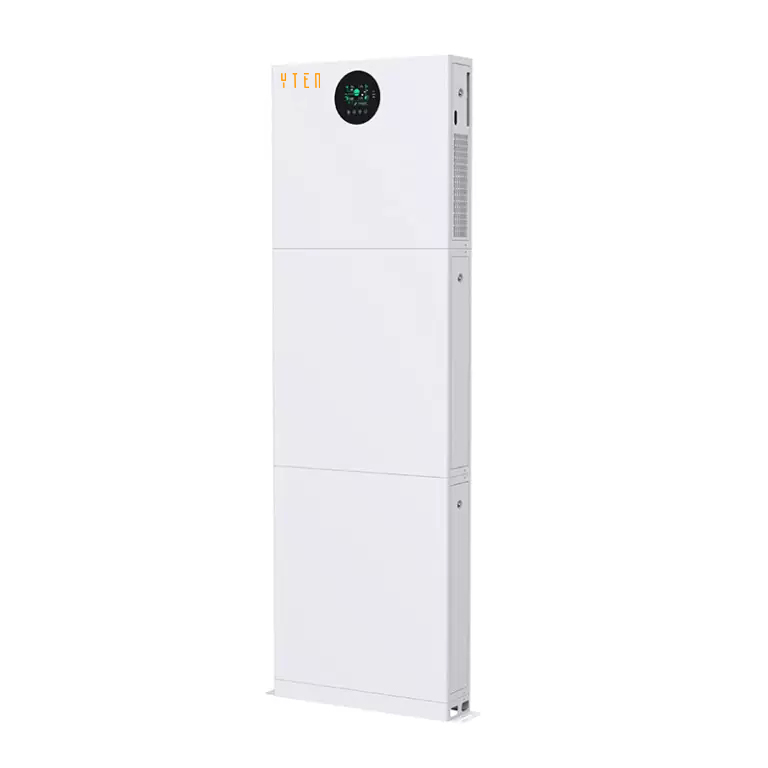 Residential Solar Storage System with Inverter and BatteryThis plug-and-play system combines an inverter and lithium iron phosphate batteries, expandable to 20.48kWh. It supports off-grid, hybrid, or on-grid modes and allows Wi-Fi monitoring via app.View Product →
For a home or small business, a residential solar storage system brings the same principle to a larger scale. The system combines solar generation, battery storage, and an inverter. The storage capacity and battery chemistry determine how long you can run essential loads while the grid is down.
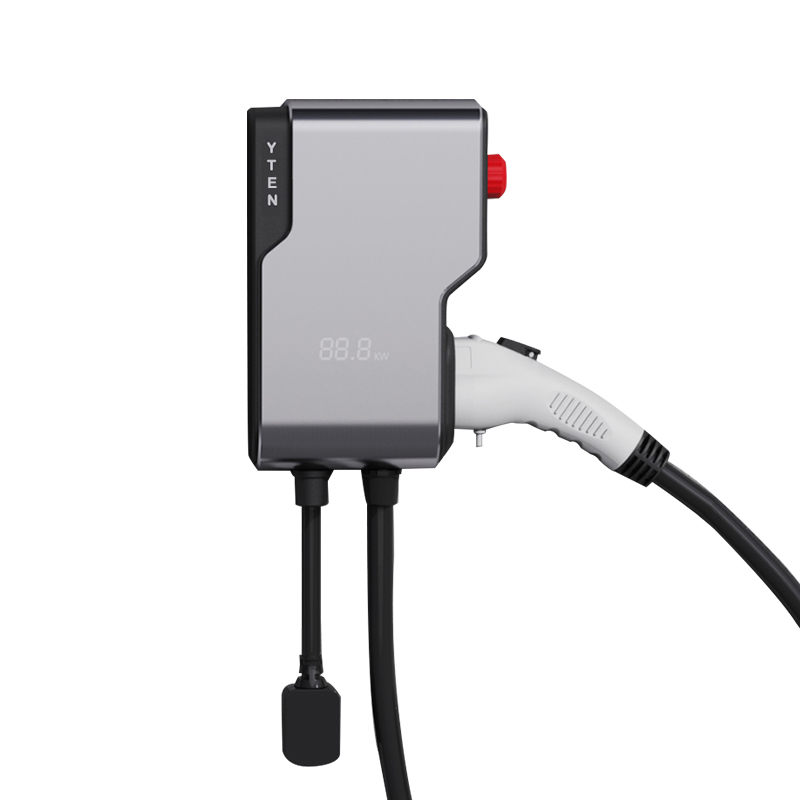 AC EV Charging Station with 7kW OutputThis AC charging station delivers 7kW at 220V single-phase, with LCD display and IP54 protection. Its compact design and easy installation make it suitable for overnight vehicle charging.View Product →
If you plan to charge electric vehicles on site, an AC EV charging station is a simpler upgrade than a DC fast charger. It uses the same alternating current from the building or a local solar system, and it can be sized to match the number of vehicles you need to charge overnight.
Before ordering, check the testing standards that matter to your market. A supplier with in-house laboratory testing can verify aging, temperature rise, water resistance, and salt spray performance. Those tests directly affect the product life in real outdoor conditions.
For OEM/ODM projects, it is also worth confirming that the manufacturer controls key steps such as injection molding, PCBA, and final assembly. A factory that handles product manufacturing and assembly internally reduces coordination problems and helps keep target dates.

Our aim is to provide the market and the customers with
high quality products and customized solutions.
 No.16, Zhengxing South Road, Lizhou Subdistrict, Yuyao, Zhejiang, China.
 [email protected] / [email protected]
 +86-15869530823 / +86-13003662523
 +86-0574-62820133


+86-15869530823

+86-15869530823